This article explores the deeply personal, financial, emotional, and environmental reasons you shouldn’t have children, helping readers reflect honestly on whether parenthood truly aligns with the life they want. Instead of guilt or social pressure, readers will gain clarity, real-world perspective, and reassurance that choosing a childfree life can be a valid and fulfilling path.
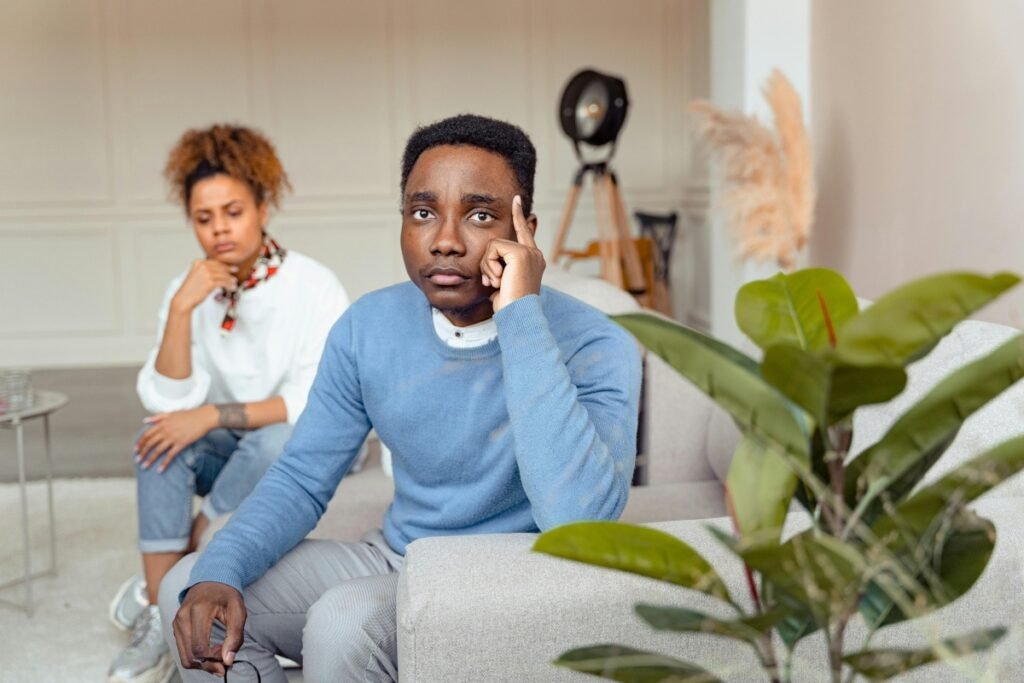
Everyone talks about the magical side of having children.
The baby photos. The tiny clothes. The “you’ll never know real love until you become a parent” speeches.
What almost nobody talks about is the moment later — usually late at night — when someone quietly types into Google: “What if I never wanted kids in the first place?”
Spend enough time online and you’ll eventually stumble across anonymous posts from exhausted parents admitting things they could never say publicly. That they love their children deeply… but miss their old lives. Their freedom. Their identity. Their peace. Some even admit that if they could go back, they might choose differently.
Not because they’re evil. Not because they don’t love their kids. But because parenthood turned out to be far more permanent, consuming, and life-altering than they ever imagined.
And honestly? That should make anyone pause before having children out of confusion, pressure, or fear of missing out.
Because despite what society tells us, uncertainty about parenthood is not something to casually ignore. Sometimes it’s your instincts trying to protect you from making a decision you were never fully sure about in the first place.
So before you convince yourself to “just go for it,” here are five important reasons you shouldn’t have children if you’re still unsure.
1. Children Deserve Enthusiastic Parents
One thing nobody tells you about parenthood is how easy it is to drift into it without ever making a fully conscious decision.
At first, it sounds harmless.
“We’ll see someday.”
“Maybe when life settles down.”
“Everyone figures it out eventually.”
And then slowly, almost without noticing, the pressure starts building around you. Friends begin announcing pregnancies. Parents start dropping hints. Your social feeds fill with smiling family photos and milestone moments. Everywhere you look, adulthood seems to follow the exact same script.
So a lot of people stop asking themselves what they genuinely want.
Instead, they start asking:
“What if I regret not doing this?”
“What if I end up alone?”
“What if everyone else is right?”
Much of this pressure comes from pronatalist thinking — the cultural belief that having children is the default path every adult should eventually follow.
But having a child because you’re afraid of missing out is very different from deeply wanting to raise one.
And children eventually feel that difference.
They notice emotional exhaustion. They sense resentment hidden beneath responsibility. They pick up on the quiet grief some parents carry for the freedom, identity, peace, or life they lost along the way. Even loving parents sometimes unintentionally communicate that parenthood came from obligation rather than wholehearted desire.
That’s why uncertainty deserves to be taken seriously — not ignored.
Because if you’re still unsure, the real question is not:
“Would I love my child?”
Most people probably would. The harder and more honest question is:
Do I truly want to raise a child every single day for decades — or do I just fear missing out?
Those are very different motivations. A child should enter a life where they are enthusiastically wanted, not cautiously accepted.
2. Parenthood Is One of the Few Truly Irreversible Decisions
Most decisions in life can be reversed.
You can change careers. End relationships. Move countries. Reinvent your lifestyle completely.
Parenthood is different.
Once a child exists, your life permanently changes around that responsibility. Even loving parents openly admit that there are parts of their old lives they will never fully get back again.
I remember talking to a friend who became a father in his early 30s after years of uncertainty. One evening he said something surprisingly honest:
“I thought I’d slowly adapt and still feel like myself. But sometimes I genuinely miss having ownership over my own time.”
Not because he hated fatherhood.
Not because he didn’t love his child.
But because nobody had prepared him for how constant parenting actually feels.
This is why waiting is safer than rushing. If you’re a fence sitter about kids, taking more time to understand yourself is not selfish. It’s responsible.
Because having children is irreversible. Hesitation is not.
3. A Childfree Life Can Offer More Freedom, Financial Stability, and Peace
One reason many people struggle with the decision is because society rarely presents the childfree lifestyle as a complete and fulfilling option.
Parenthood is usually framed as the “real” adult destination, while childfree living is treated like a temporary phase or backup plan.
But for many people, a childfree life brings enormous benefits:
- greater financial flexibility
- more freedom to travel
- stronger personal relationships
- reduced chronic stress
- more time for hobbies and creativity
- better sleep and personal autonomy
- the ability to design life on your own terms
In fact, several studies now suggest that many childfree adults report higher levels of freedom, autonomy, and day-to-day happiness compared to overwhelmed parents — especially when their decision was intentional. Read here in detail: Why Childfree People Are Happier Than Parents (According to Research).
Some of the happiest couples I know built lives centered around freedom instead of parenting. They travel spontaneously. Sleep peacefully. Spend weekends pursuing hobbies, resting, exploring new cities, investing money into experiences, or simply enjoying silence without guilt.
And honestly, there’s something powerful about realizing your life does not need to look exhausting to be meaningful.
One friend once told me:
“The older I get, the more I realize I don’t want escape from my life. I actually enjoy the life I already have.”
That sentence perfectly captures what many unsure people are afraid to admit.
Sometimes uncertainty about children is actually clarity trying to surface. If your current life already feels fulfilling, peaceful, and aligned with who you are, it’s worth asking whether parenthood would genuinely improve it — or simply replace it with the version society expects.
4. Bringing a Child Into Today’s World Is a Bigger Ethical Decision Than Ever
Previous generations rarely had to think about climate anxiety, rising living costs, political instability, overcrowding, or environmental collapse when deciding whether to have children.
Today, many people do.
For some, the hesitation around parenthood isn’t selfishness — it’s awareness.
There’s a growing number of adults quietly asking difficult questions:
- What kind of world will future generations inherit?
- Can I emotionally and financially handle raising a child in this environment?
- Do I actually want to contribute to population growth if I’m already uncertain?
And honestly, these are valid concerns.
Choosing not to have biological children can significantly reduce long-term environmental impact compared to almost any other personal lifestyle change. For many people, this is the moment environmental concern becomes real. Because the truth is, reusable bags, shorter showers, recycling, and planting a few trees simply do not compare to the staggering lifetime environmental impact of creating an entirely new human being in an already overcrowded, resource-strained world.
But beyond carbon footprints and sustainability, there’s also a deeper emotional layer to this conversation. Some people simply don’t feel comfortable bringing a new life into a world that already feels increasingly unstable and overwhelming. Others realize that if they ever want to nurture a child someday, adoption or fostering may feel more aligned with their values than creating another biological child.
These thoughts don’t make someone negative or cold. They make them thoughtful.
5. Having Children to Fit In Often Leads to Regret
This may be the hardest reason of all. Many adults are not choosing parenthood from desire. They are choosing it to avoid feeling left behind.
As friends post pregnancy announcements, family members ask questions, and social media fills with milestones, it becomes easy to feel like everyone else has figured life out except you. In moments like these, many people begin questioning whether a meaningful adulthood is even possible without children — even if parenthood itself doesn’t genuinely feel right for them.
But external validation for parents fades quickly once real parenting begins.
The sleepless nights, financial pressure, loss of personal time, relationship strain, emotional labor, and constant responsibility remain long after the social applause disappears. This is why having children primarily to satisfy expectations can become emotionally dangerous.
A child is not a social checkpoint. They are a lifelong responsibility. And if your deepest instinct keeps whispering hesitation, uncertainty, or resistance, that feeling deserves honesty instead of guilt.
Final Thoughts: It’s Better to Question Parenthood Than Sleepwalk Into It
There is nothing wrong with wanting children.
And there is nothing wrong with realizing you may not want them either.
But if I could give one honest piece of advice to someone sitting in uncertainty right now, it would be this:
Don’t rush yourself into parenthood just because everyone around you seems certain. Don’t convince yourself that confusion automatically means “yes.” And please don’t assume a baby will magically silence doubts that already exist today.
Take your time instead. Ask yourself difficult questions. Picture your future honestly. Pay attention to the version of life that actually makes you feel calm, excited, and emotionally at home — not just the version that earns approval from other people.
Because a meaningful, joyful, deeply fulfilling life can exist on both sides of this decision. Despite what society often implies, the childfree lifestyle is not some empty backup plan. For many people, it becomes the exact life that fits who they truly are.
And sometimes the most mature thing a person can say is: “I’m still not sure.” Because listening to that uncertainty now may save you from ignoring yourself for the rest of your life.
And if you’ve been carrying these thoughts quietly for a long time, feeling different, confused, or isolated in a world that assumes everyone should want children — you’re not alone. There’s an entire tribe of thoughtful, kind, deeply fulfilled people asking the same questions and building meaningful lives on their own terms. Sometimes, all you need to do is reach out and realize your people have been out there all along.